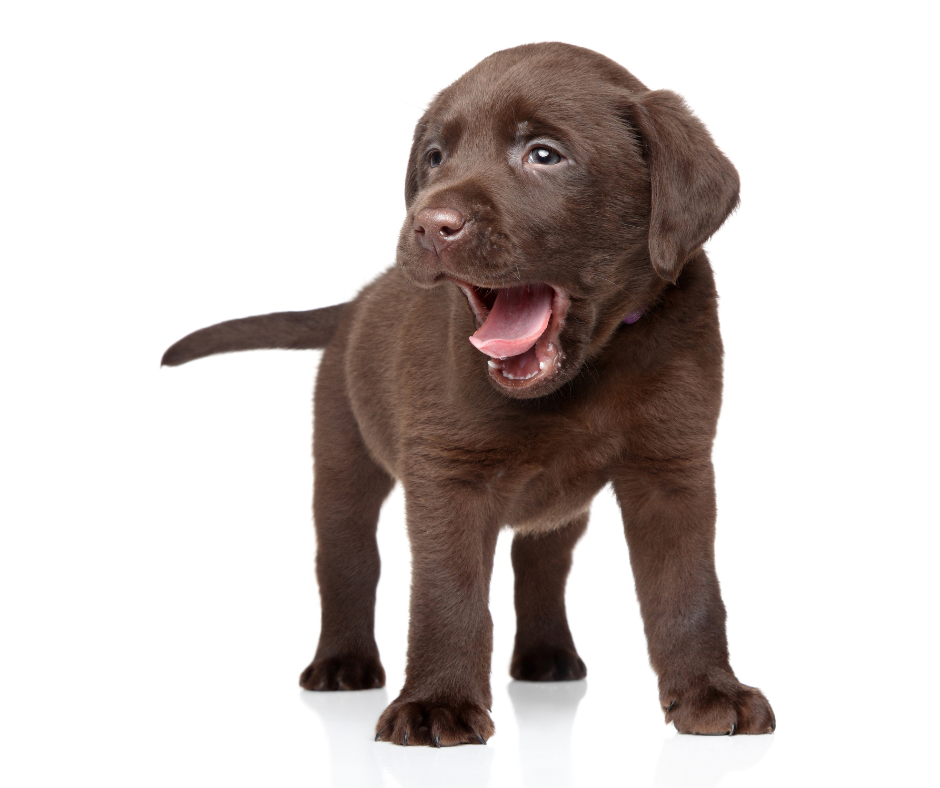
I’d like to breed my dog, what do I need to know?
We know, puppies are really cute and fun to have around, but there are some important things to know before you head down the road of breeding.
Read on to see what tips we have to ensure you every success in producing a successful litter safely.
If you are interested in breeding your dog there are many important factors that should be considered prior to breeding. Both temperament and health (physical and genetic) need to be sound and tested, as many conditions are inheritable. This information is used to decide whether your dog is a potential breeding prospect, as well as choosing the best mating match to give you the best litter results.
While temperament is affected by both nature and nurture, it is important to take this into consideration when deciding if your bitch/stud is suitable for breeding, especially those with known aggression or reactivity history.
The costs of breeding should also be carefully considered prior to any mating taking place, as nutrition health and genetic testing, optimal breeding timing testing, pregnancy management and/or artificial insemination, pregnancy diagnosis, and any possible complications requiring a caesarean section can be costly. Once puppies are born, they also need health checks, parasite prevention from two weeks of age, specialised nutrition, vaccinations, microchipping and DNA testing.
DNA testing is an ideal way of obtaining the genetic information of both your bitch and potential sire as not all genetic conditions affects individual animals equally, some may not become obvious until later in life. Examples of genetic tests in Australia include Orivet packages such as DNA Fingerprint (for parental verification), Purebred Full Breed Profile (breed specific yesting of health and traits) and Canine HealthCheck (health and traits not only used for purebred testing). Further information about which test may suit your breed best can be found on the Orivet website.
DNA parental testing is required to be able to register any offspring on the main register with Dogs QLD. Genetic testing can also be used to determine the coat attributes and coat colours and or types carried by both parents. Gemnetic samples for testing can be collected for litters once microchipping has occured and is usually done at the puppies first vaccination vet appointment. Our clinic is certified to collect the DNA samples, and have the necessary forms and equipment required, and can provide guidance in this process if needed.
A prospective breeding animals’ health testing should occur once they have reached maturity to give you best indication of their conformation. This should always include a full physical examination by a veterinarian, ideally one familiar wit the confirmation standard of your selected breed. Full breed standards can be found on the Dogs Queensland website under the breeders tab. Other testing that is common prior to breeding is hip and elbow scoring, especially for larger breeds. The most accurate and predictive test for hip scoring in the PennHIP test, which can be performed from six months of age in most cases. Studies have shown that the alternate testing option, known as OFA or straight-hip views, have a 50% false negative result rate (i.e. hips may receive a 0/clear score despite having hip dyslpasia), which is preventing the elimination of hip dysplasia from many breeds. This is why we recommend using the PennHIP approach for best long term health and breed soundness.
With all testing, it is highly recommended that it be conducted, and results received and reviewed prior to making breeding choices.
Any breeding animal should be kept fully up to date with vaccinations and parasite prevention as well as kept in good physical condition. It should be noted that some parasite prevention products are not suitable for the use in pregnant or lactating bitches and may need to be substituted during this time.
When it comes to assessing the soundness of a bitch or stud you have chosen for breeding, our veterinarians have the expertise, have undertaken additional training and/or qualifications in canine reproduction and can perform comprehensive pre-breeding health examinations. The findings can be then used to determine the best breeding method to give the optimal litter result. For example the assessment may indicate that a natural mating is likely to result in a successful pregnancy in some bitches and studs, whereas others may benefit from the use of artificial insemination techniques to facilitate a successful pregnancy.
During a breeding soundness exam, the veterinarian will examine the physical attributes of the bitch and stud including an examination of the external genitalia and internal genitalia for females. A recent study has in fact found that structural abnormalities are more common than previously reported and this may result in a less favourable outcome if not identified. Stud dogs will also undergo semen analysis to give an indication of their overall fertility as this may affect the breeding options. This is especially important in dogs with a history of unsuccessful or small litters.
Outside of the clinical examination steps outlined above, both dogs should be on an appropriate diet and be in good overall body condition prior to breeding as this can greatly affect both the success of the breeding as well as the endurance of the bitch during pregnancy and postpartum. Bitches suffering from deficiencies are also more likely to have health complications postpartum, some of which can be catastrophic.
Finally, it is our advice that all animals, of both sexes, be a minimum of twelve months of age prior to breeding. Large breeds, who are slower in development, specifically growth, should be a little older. For large breeds, we recommend eighteen to twenty four months of age.

 Pet Care Hub